.avif)
-
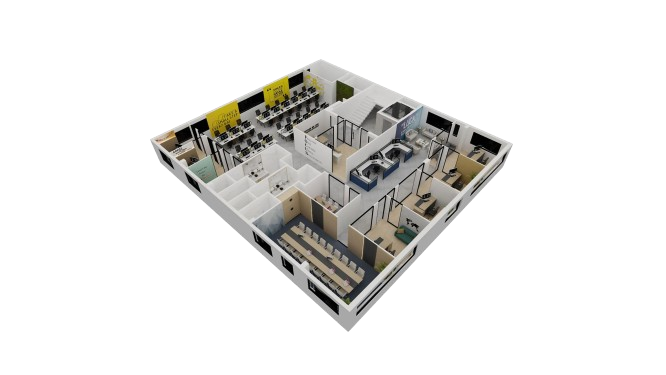
Small - Scale Offices


-
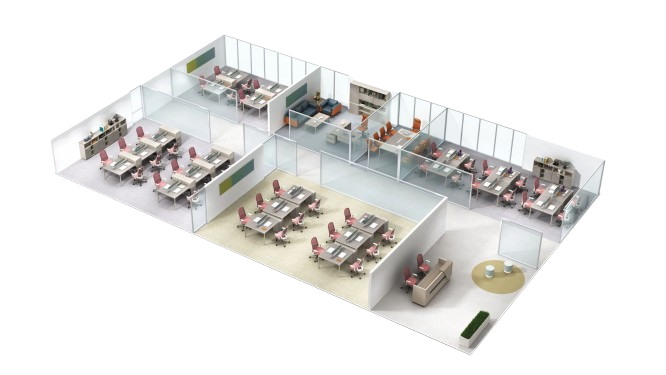
Intermediate - Scale Offices
-
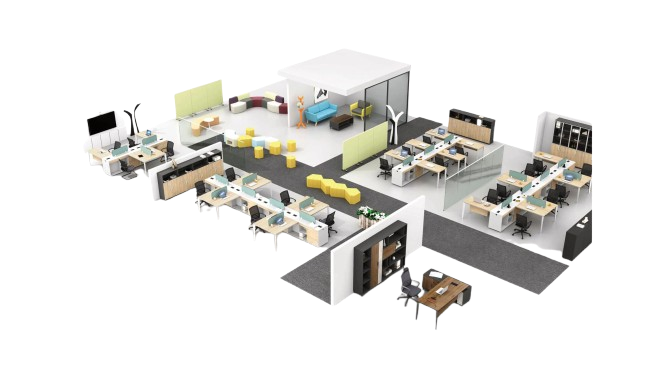
Medium - Scale Offices
-
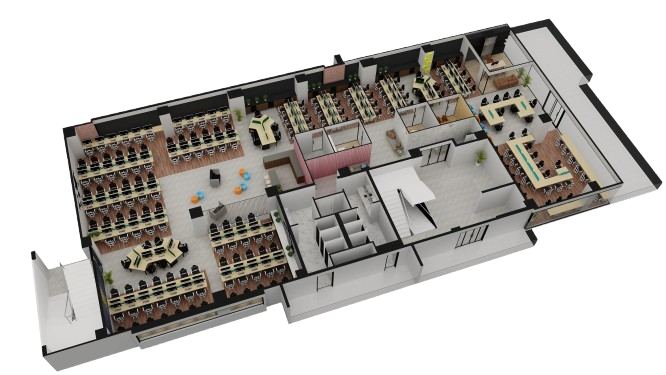
Large - Scale Offices

Deciding Factors In a Space
Functionality and Flow
Any space should promote effective workflows, allowing easy transitions between various types of work, like collaboration, focused work, and relaxation. The physical layout impacts efficiency, and creating smooth transitions can reduce friction and support creativity.
Sustainability
Environmentally conscious design choices reflect a commitment to sustainability. Using energy-efficient lighting, recyclable materials, and indoor plants can reduce an office's ecological footprint and align with values that attract environmentally conscious employees.
Balance Between Technology and Humanity
Integration between technology and the workspace enhances productivity but shouldn’t overlook the human experience. Thoughtful integration ensures tech enhances rather than overwhelms, preserving human connection and engagement in the process.

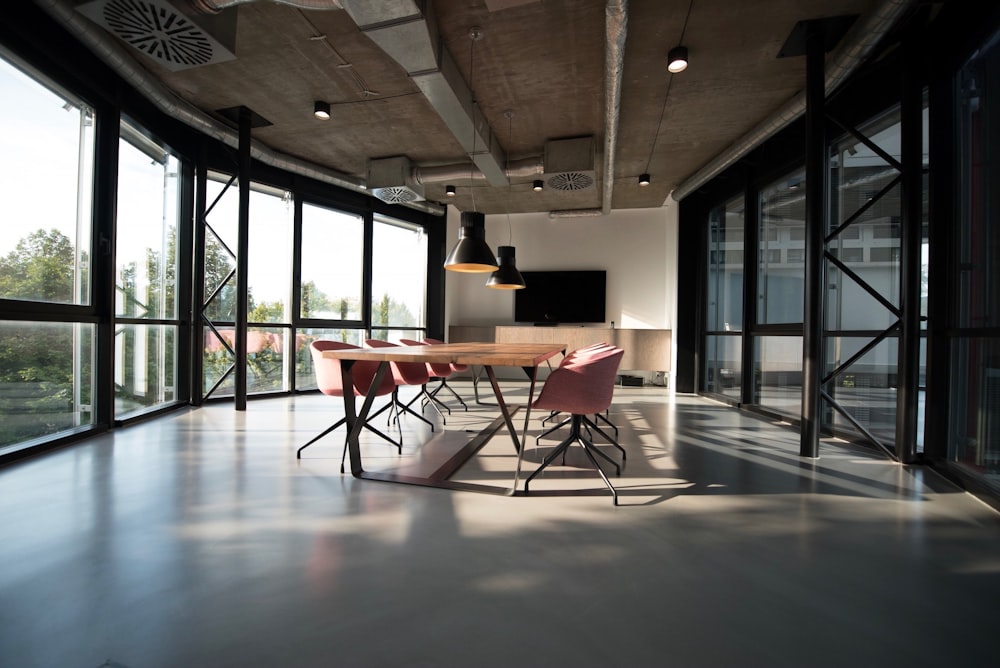
Popular Office Layout Examples
Explore different workspace configurations that maximize productivity and collaboration

Open Plan Office
- Maximum collaboration
- Cost-effective space usage
- Easy supervision
- Flexible furniture arrangement
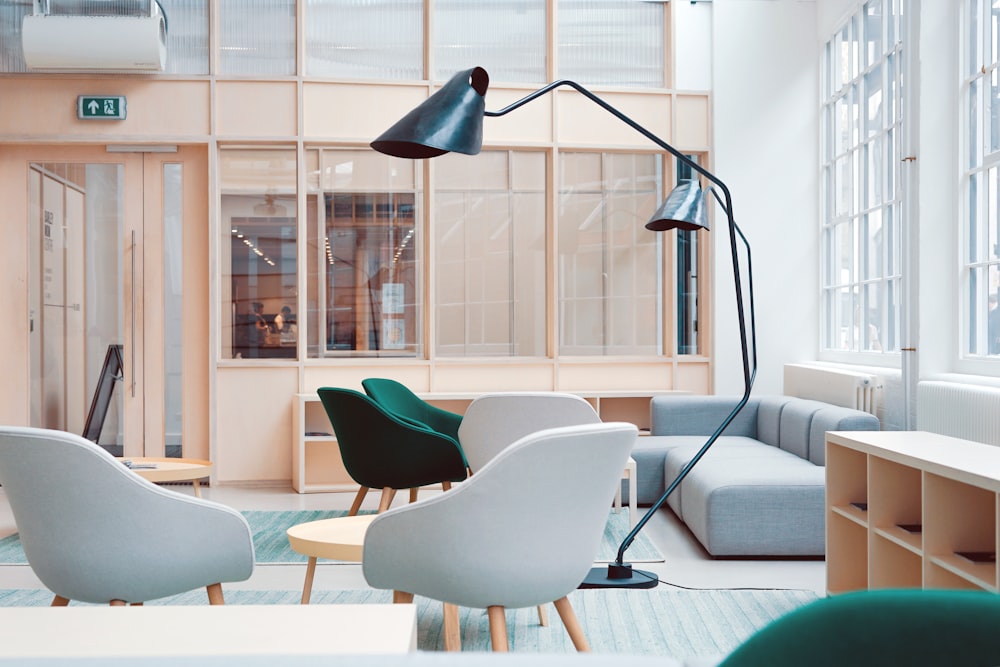
Hybrid Workspace
- Private meeting rooms
- Open collaboration areas
- Quiet focus zones
- Flexible work stations
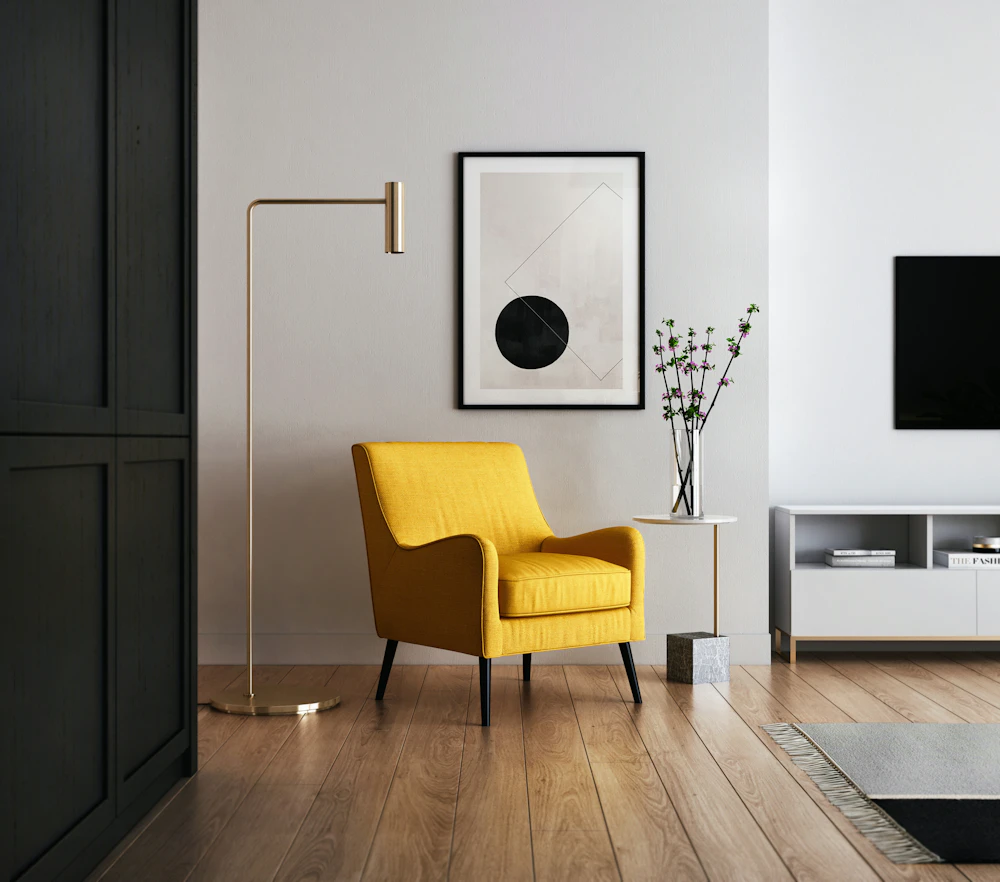
Activity-Based Working
- Dedicated focus areas
- Collaboration hubs
- Social interaction spaces
- Phone booth areas
Private Offices
- Maximum privacy
- Reduced distractions
- Professional image
- Confidential meetings

Co-working Space
- Hot desking options
- Networking opportunities
- Shared amenities
- Flexible membership
Creative Studio
- Inspiring design elements
- Flexible work surfaces
- Natural lighting
- Presentation areas
Ready to Design Your Perfect Workspace?
Let our experts help you choose the ideal layout for your team's needs and budget
Get Free Consultation